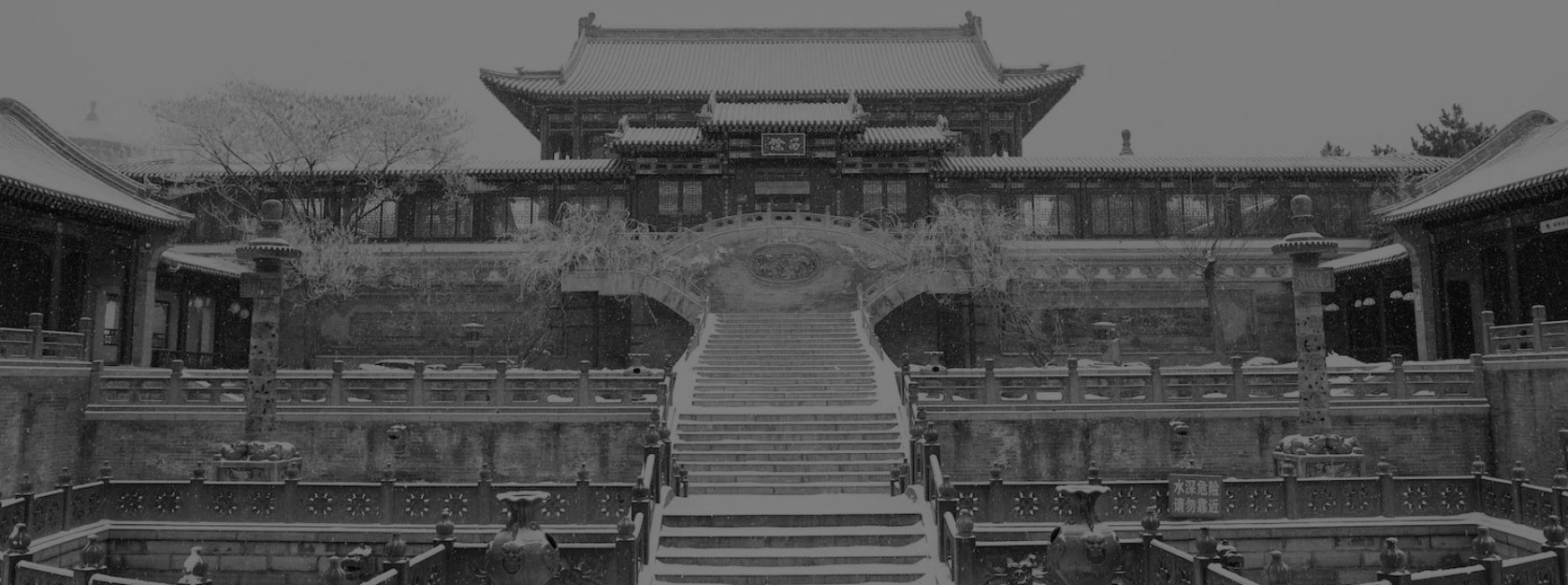

The Di Rong (狄戎) tribe had settled in the area north of Xiangning where present-day Chateau Rongzi is situated.
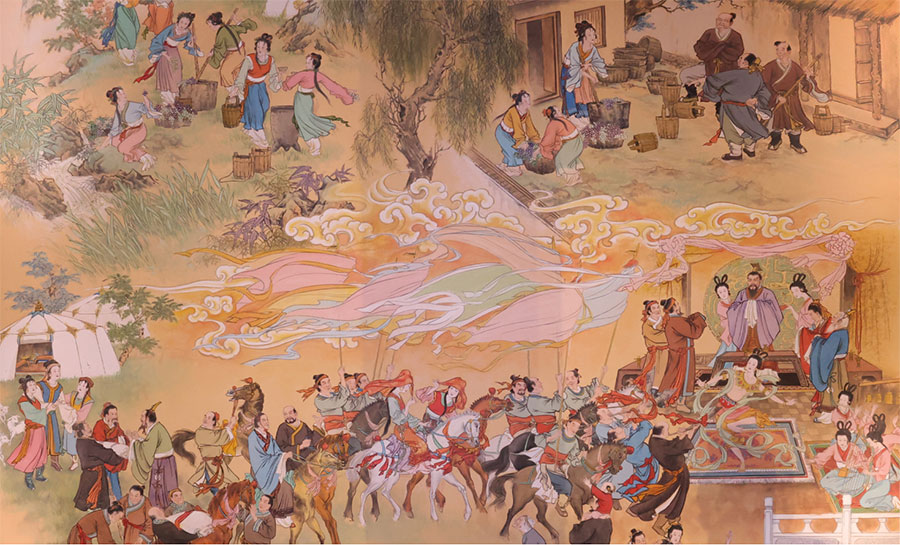
Rongzi was the daughter of Chieftain Hu Tu, leader of the nomadic tribe.
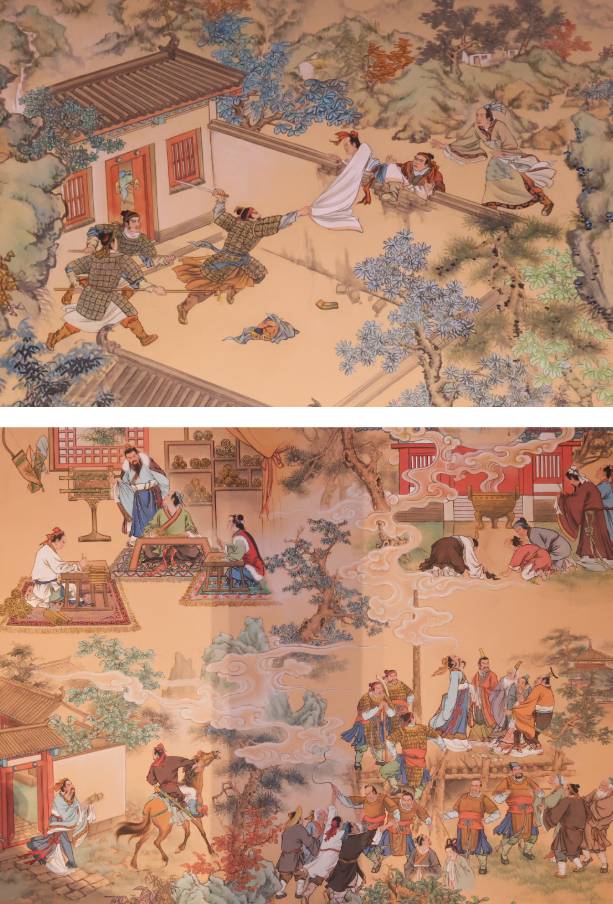
The neighbouring State of Jin (晋国), seeking to stablilize its borders and expand its influence, negotiated a marriage alliance with Chieftain Hu Tu. This resulted in the marriage of Rongzi – also known as Huji (狐姬) – to Prince JI Guizhu which produced a son named LI Chonger, later to become Duke Wen of Jin (晋文公), one of the five hegemons of the Spring and Autumn Period.
These historical facts are chronicled in the Shiji or Records of the Grand Historian by SIMA Qian (145 - 86 BCE).
When she was young – like many girls of the Di Rong tribe – Rongzi picked Gelei grapes (葛藟) when it was harvest time. The mountains and hills of Beiyuan (north of Xiangning County) were abundant with wild Gelei vines. Every early autumn when the Gelei ripened, clusters of juicy, dark red Gelei grapes filled the hills with their fragrance.
The Xiangning County Chronicles (乡宁县志) (1403-1424)records that Rongzi picked Gelei in the Beiyuan region.
Gelei (葛藟) refers to wild grapes of a climbing vine plant which was first mentioned in the Classic of Poetry (诗经) (compiled approximately between the 11th century BC and the 6th century BC) , specifically in the section Wang Feng · Gelei (王风·葛藟).